Cooking with Gas (Sensors) and Portable Power

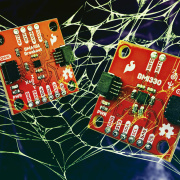
Mix and match nine low-power Qwiic MEMS gas sensors to detect everything from carbon monoxide to bad breath, and take your setup into the field with five AA, AAA, and 9V rechargeable battery packs.
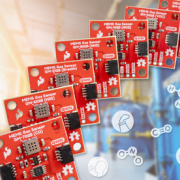
Hello everyone and welcome back to another Friday Product Post here at SparkFun Electronics! Monitoring air quality and detecting specific gases usually means juggling bulky sensors, complex analog drive circuits, and high heater currents. This week, we are streamlining environmental sensing with nine (yes, NINE!) new Qwiic Gas Sensors built around Winsen's GM-XX2B MEMS series. Each board targets a specific gas or compound—ranging from nitrogen dioxide, smoke, ethanol/alcohol, and combustible gases to breath compounds, hydrogen sulfide, carbon monoxide, and ammonia. And if you want to take that air-quality rig into the field, we are also bringing five new battery options to the catalog with three NiMH varieties in AA, AAA, and 9V options and USB-C rechargeable lithium AA and AAA 4-packs to keep your portable projects running.

Before we get to this week's new products, a quick reminder: Our November Deals sales event is currently live so you can save on GPS/GNSS devices and accessories! Additionally, this Monday, November 16th, we will be entering the third week of deals with sales on some of our most popular development boards. Each week, we put a new set of SparkFun Original products on sale to help you prepare for the holiday season, or if you simply want to save a few bucks and get something for yourself. Get an early look today and head over to the November Deals page to plan your sales shopping!

$11.95
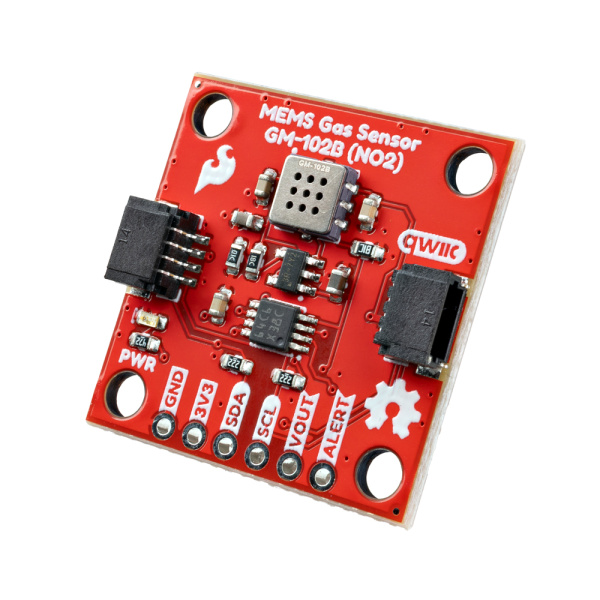
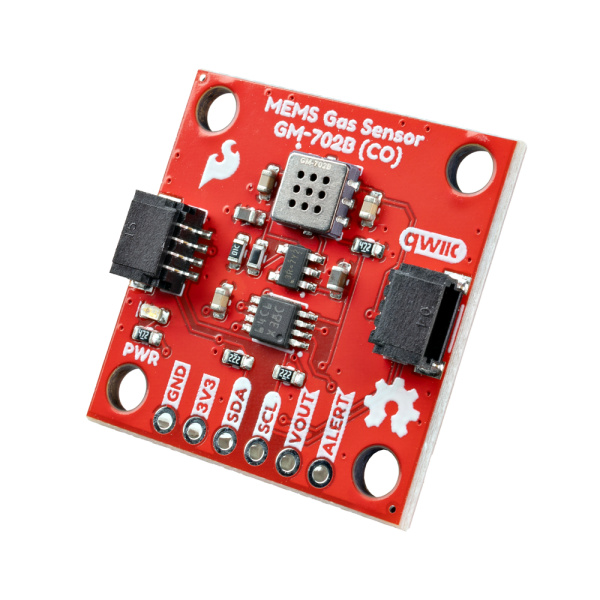
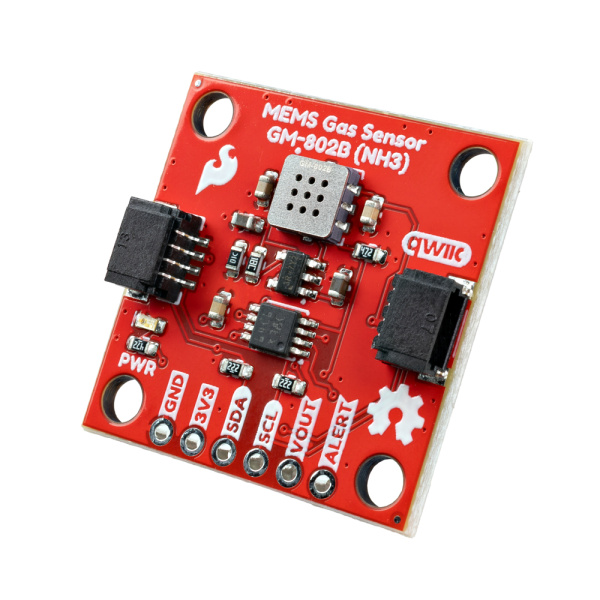
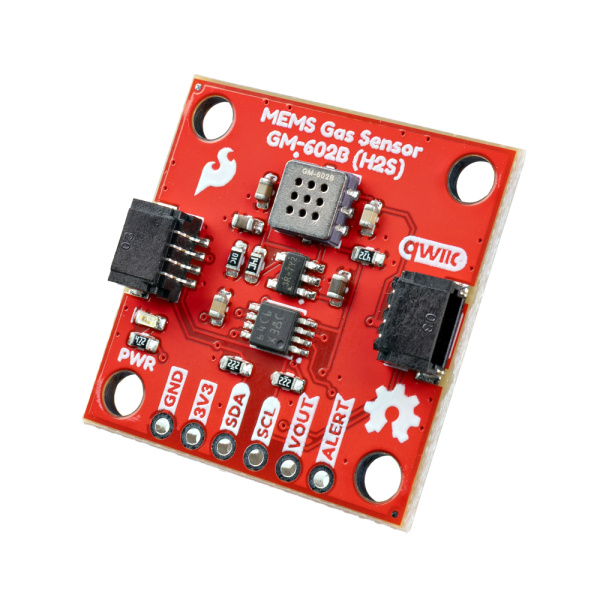
SparkFun's new Qwiic Gas Sensors are compact and solderless solutions for measuring hydrogen sulfide (H2S), nitrogen dioxide (NO2), carbon monoxide (CO), and ammonia (NH3) gas concentrations in indoor environments. Utilizing the Winsen GM-XX2B MEMS sensors, each can detect gaseous levels in parts per million (ppm) in varying degrees, and route its specific sensor's analog voltage fluctuations into an onboard 10-bit analog-to-digital converter (ADC) that delivers a clean digital signal directly over I2C. Because they share a uniform 1-inch by 1-inch Qwiic footprint and an onboard ADC/I2C interface, you can plug in a single board to watch for a specific leak or daisy-chain multiple sensors together to build a custom, multi-gas environmental monitor without touching a soldering iron!
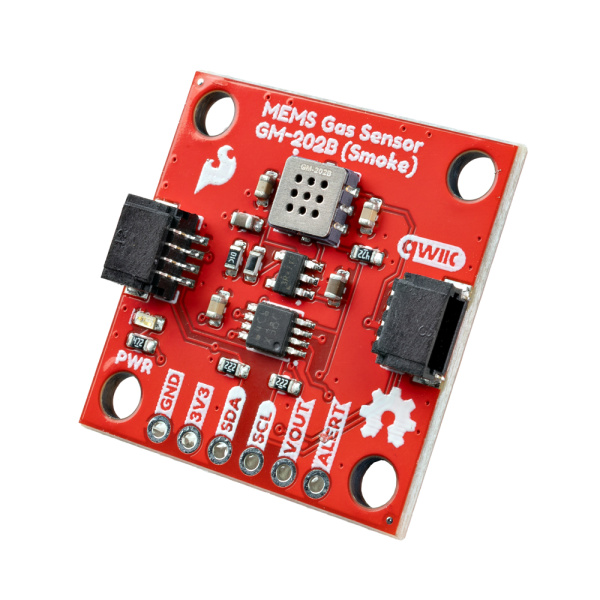
SparkFun Ethanol & Smoke Gas Sensor - GM-202B (Qwiic)
SEN-32065
$11.95
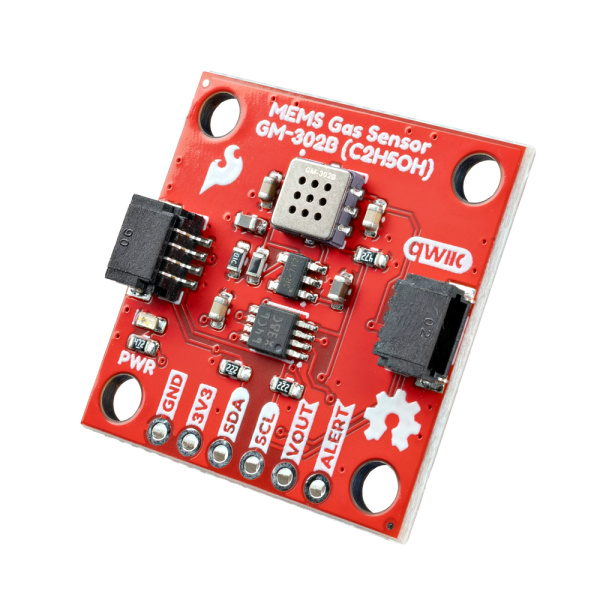
SparkFun Alcohol/Ethanol Gas Sensor - GM-302B (Qwiic)
SEN-32066
$10.95
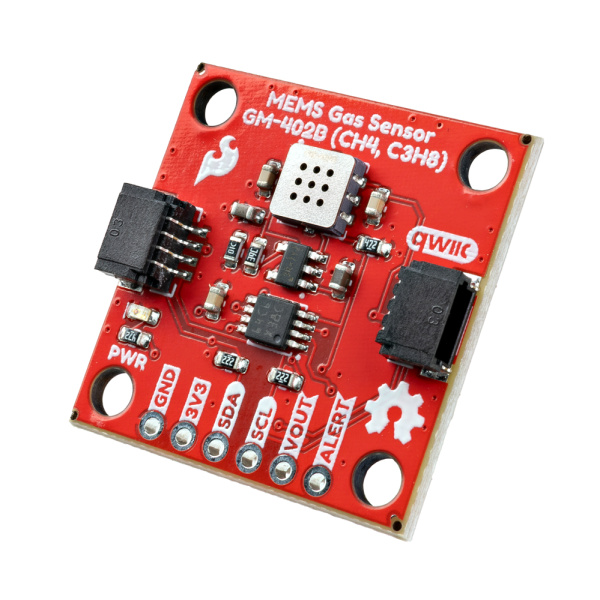
SparkFun Combustible Gas Sensor - GM-402B (Qwiic)
SEN-32067
$10.95
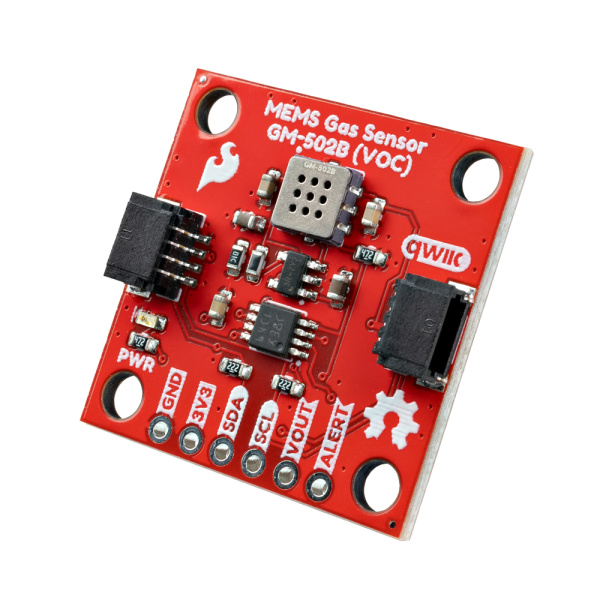
SparkFun VOC Gas Sensor - GM-502B (Qwiic)
SEN-32068
$10.95
Environmental monitoring rarely relies on a single data point, which is why we have you covered with these Qwiic Gas Sensors that detect and qualitatively measure multiple gas types at the same time as well! These include sensors that can detect and measure Ethanol (CH3CH2OH) & Smoke , Ethanol/Alcohol (CH3CH2OH), combustible gases like Methane (CH4) and Propane (C3H8), and common volatile organic compounds (VOCs) including ethanol (CH3CH2OH), acetone (C3H6O), formaldehyde (CH2O) and benzene (C6H6). These sensors still provide readings in ppm, are delivered on a 1-inch by 1-inch Qwiic footprint, and feature an onboard ADC/I2C interface!
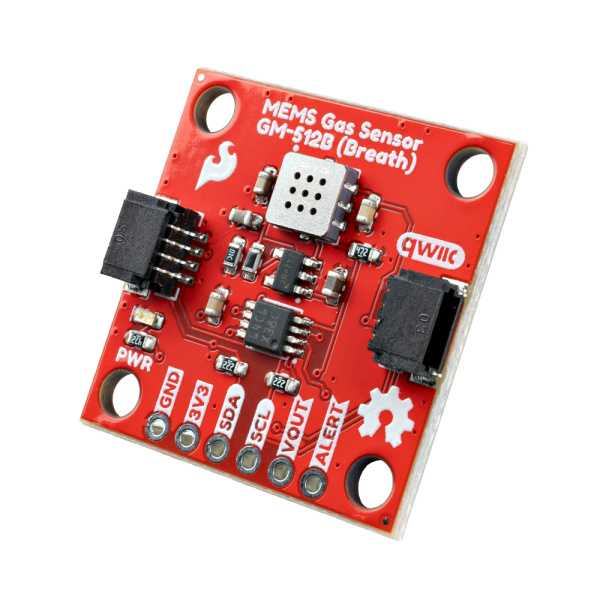
SparkFun Bad Breath Gas Sensor - GM-512B (Qwiic)
SEN-32069
$13.95
Probably the most unique of all of this week's new Qwiic Gas Sensors (and the one that we really want to highlight), is the GM-512B "Bad Breath" version. This board is useful in detecting concentrations of common volatile organic compounds (VOCs) including hydrogen sulfide (H2S), ammonia (NH3), acetone (C3H6O) and alcohol (CH3CH2OH) in indoor environments. And, you guessed it, the Bad Breath Gas Sensor still provides readings in ppm, has a 1-inch by 1-inch Qwiic footprint, and features an onboard ADC/I2C interface.
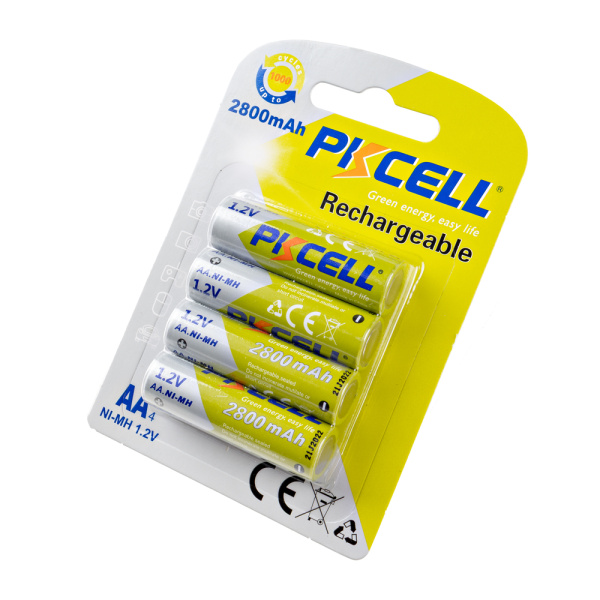
PKCELL NiMH Batteries - AA (4-Pack)
PRT-32163
$14.95
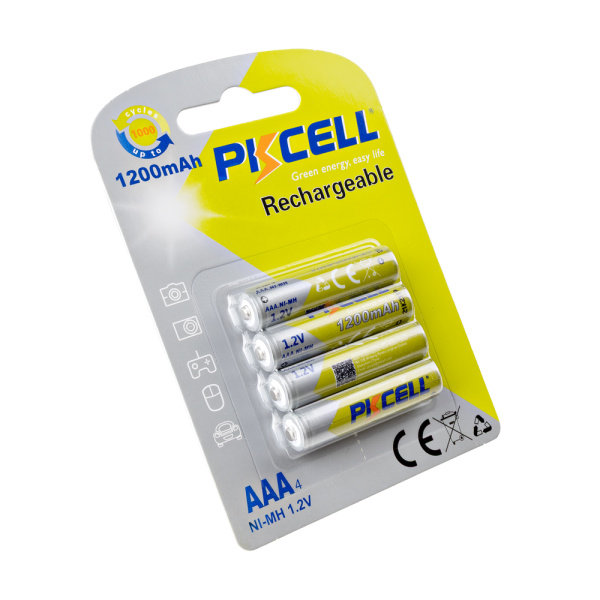
PKCELL NiMH Batteries - AAA (4-Pack)
PRT-32196
$6.95
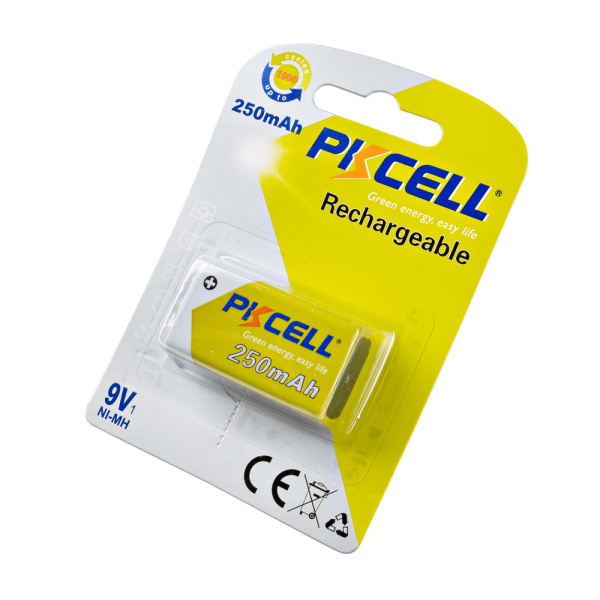
PKCELL NiMH Battery - 9V
PRT-32229
$7.95
While that's all of this week's new sensors, now we can get to rechargeable batteries! These nickel-metal hydride (NiMH) rechargeable batteries come in three way: a 4-pack of AA batteries, a 4-pack of AAA batteries, or a single 9V battery. They can easily replace alkaline versions in projects, test equipment, and devices with high-drain loads such as motors and servos.
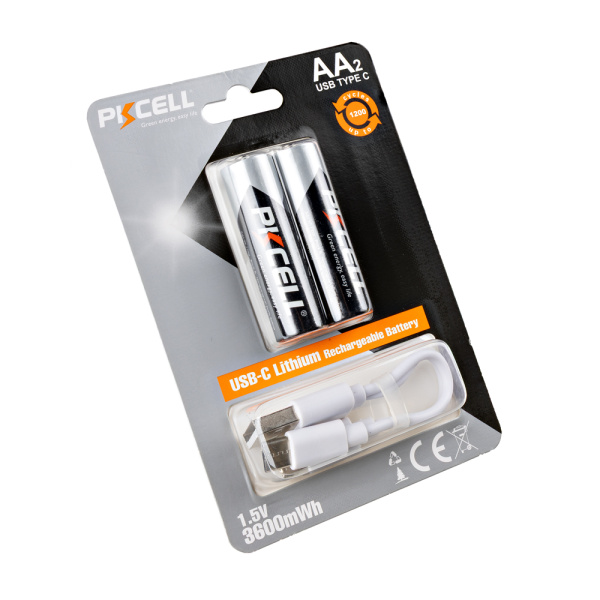
PKCELL USB-C Lithium Rechargeable Batteries - AA (2-Pack)
PRT-32230
$9.95
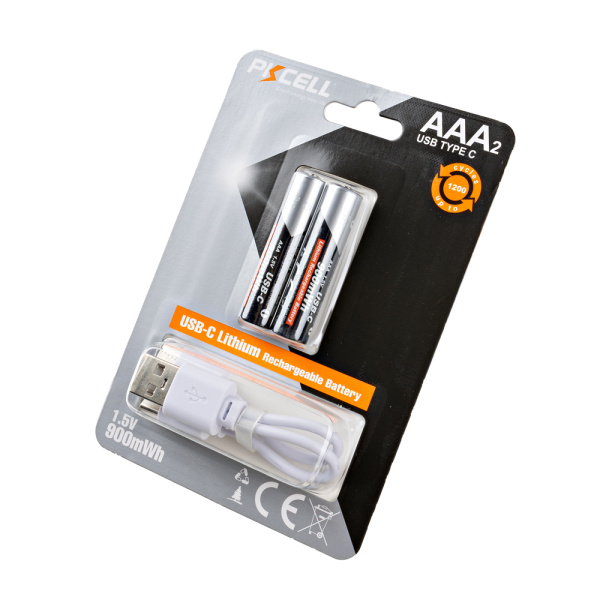
PKCELL USB-C Lithium Rechargeable Batteries - AAA (2-Pack)
PRT-32231
$7.95
Last up this week are MOAR rechargeable batteries! These are 2-packs of PKCELL AA and AAA lithium rechargeable batteries with built-in USB-C charging ports. Each cell stores 3600mWh and 900mWh (respectively). An internal regulator holds the output at a constant 1.5V until the cell is nearly depleted, and because this matches alkaline voltage, the cells can be used in devices that don't run reliably on the 1.2V NiMH cells above. Additionally, short USB-A to USB-C cables are included with every pack!
That's it for this week! If you aren't already a subscriber to our New Product Newsletter, you really should be. As always, we can't wait to see what you make! Shoot us a tweet @sparkfun, or let us know on Instagram, Facebook or LinkedIn. Please be safe out there and be kind to one another! Happy hacking!